
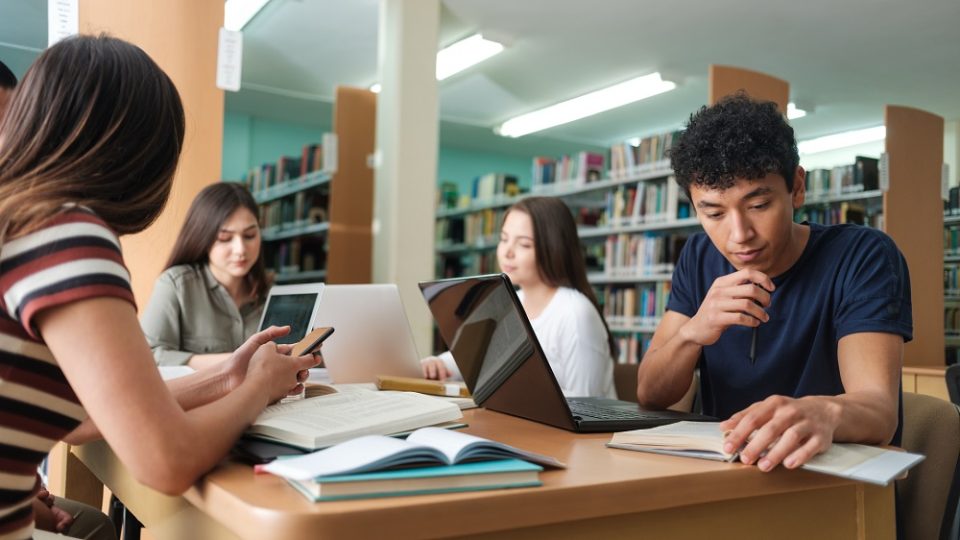
The word “student” often evokes images of classrooms, textbooks, and exams, yet the reality of being a student today encompasses far more than academic pursuit alone. Students inhabit a unique space in society, one defined by transition, exploration, and self-discovery. They are learners, innovators, social agents, and future leaders, grappling with a complex array of opportunities and obstacles that shape their development. Understanding the modern student experience requires an appreciation of these multifaceted dimensions and a recognition of how education, technology, social context, and personal aspirations intersect to influence their journey.
The Evolving Role of Students in Contemporary Society
Historically, students were largely seen as recipients of knowledge, their primary role confined to absorbing lessons within institutional walls. In today’s rapidly shifting global landscape, however, students have become active participants in their own education and social environments. Their responsibilities extend beyond academics to include leadership, community engagement, and advocacy.
This shift acknowledges that students are not passive vessels but critical thinkers capable of questioning assumptions and driving change. They are simultaneously consumers and creators of knowledge, engaging with a diverse range of media and ideas.
Academic Pressures: The Double-Edged Sword
Academic rigor remains a cornerstone of the student experience, yet it often exerts immense pressure. The demand to excel academically—whether to gain admission to prestigious institutions, secure scholarships, or meet familial expectations—can become overwhelming. This pressure sometimes leads to stress, anxiety, and burnout.
-
Intense competition often creates a hyper-focused environment.
-
Balancing coursework with extracurricular activities can stretch students thin.
-
The fear of failure may inhibit creativity and risk-taking.
Acknowledging these realities has led many institutions to place greater emphasis on student well-being, integrating mental health resources and promoting a more balanced approach to education.
Technology’s Impact: A Blessing and a Challenge
The digital revolution has indelibly altered how students access information, communicate, and learn. Technology offers unprecedented resources: online courses, virtual libraries, interactive tools, and global connectivity that allow students to explore subjects beyond the traditional curriculum.
However, this digital landscape is a double-edged sword. Students must contend with:
-
Distractions from social media and digital entertainment.
-
The challenge of discerning credible information amid vast content.
-
Digital divides that create inequities in access to technology.
Mastering technology literacy and self-discipline has become essential for students to harness these tools effectively and avoid pitfalls.
Cultivating Holistic Development: Beyond Academics
A truly enriching student experience nurtures not just intellect but also emotional intelligence, ethical values, and social skills. Modern education increasingly recognizes the importance of fostering:
-
Critical Thinking: Encouraging students to analyze, question, and synthesize information rather than memorize passively.
-
Creativity: Providing space for innovative thought, experimentation, and artistic expression.
-
Collaboration: Teaching the value of teamwork, empathy, and diverse perspectives.
-
Resilience: Preparing students to navigate setbacks and persist through challenges.
This holistic development equips students to thrive not only in academic settings but also in life’s broader arenas.
Social Engagement and Activism: Students as Change-Makers
Students today often see themselves as agents of social transformation. Across the globe, young people have spearheaded movements addressing climate change, social justice, gender equality, and human rights. Their activism reflects a heightened sense of responsibility and awareness of global interconnectedness.
This phenomenon underscores the importance of:
-
Encouraging civic education and discourse.
-
Supporting student-led initiatives and organizations.
-
Valuing the role of youth voices in shaping public policy and culture.
Such engagement enriches students’ educational experiences and strengthens democratic societies.
Addressing Equity: The Challenge of Inclusive Education
Despite progress, disparities in educational access and quality persist. Many students face obstacles stemming from socioeconomic status, geographic location, language barriers, or systemic biases. These inequities limit opportunities and can stifle potential.
Efforts to promote equity include:
-
Providing scholarships and financial aid to underserved populations.
-
Creating inclusive curricula that respect diverse cultures and histories.
-
Offering tailored support services such as tutoring and counseling.
-
Leveraging technology to reach remote or marginalized learners.
Championing equity is not only a moral imperative but also essential for cultivating a diverse and talented future workforce.
The Importance of Support Networks
Behind every successful student is often a robust support system comprising family, teachers, mentors, and peers. These relationships foster confidence, motivation, and resilience.
Key elements of effective support include:
-
Mentorship: Guiding students through academic and career decisions.
-
Emotional Support: Providing encouragement and understanding during difficult times.
-
Peer Collaboration: Facilitating shared learning and social connection.
Building such networks enhances students’ sense of belonging and empowers them to navigate the complexities of their educational journeys.
Preparing for an Uncertain Future
The world students are preparing to enter is characterized by rapid technological advancement, shifting job markets, and global challenges such as climate change and social inequality. Adaptability, continuous learning, and ethical leadership will be vital.
Educational institutions and communities can support students by:
-
Encouraging interdisciplinary learning to foster versatile skill sets.
-
Emphasizing digital literacy and lifelong learning habits.
-
Promoting global awareness and cultural competence.
-
Developing leadership and problem-solving skills.
Such preparation ensures that students are equipped not only to survive but to innovate and lead in an unpredictable future.
Conclusion: Embracing the Complexity of Student Life
The experience of being a student today is multifaceted, demanding more than mere academic success. Students are explorers of knowledge, architects of their own identities, and catalysts for social progress. By understanding and supporting their diverse needs—intellectual, emotional, and social—we honor the profound role they play in shaping our collective future.
As educators, families, and societies, embracing this complexity enables us to foster environments where students flourish, not only as scholars but as whole, empowered individuals ready to contribute meaningfully to the world.
