
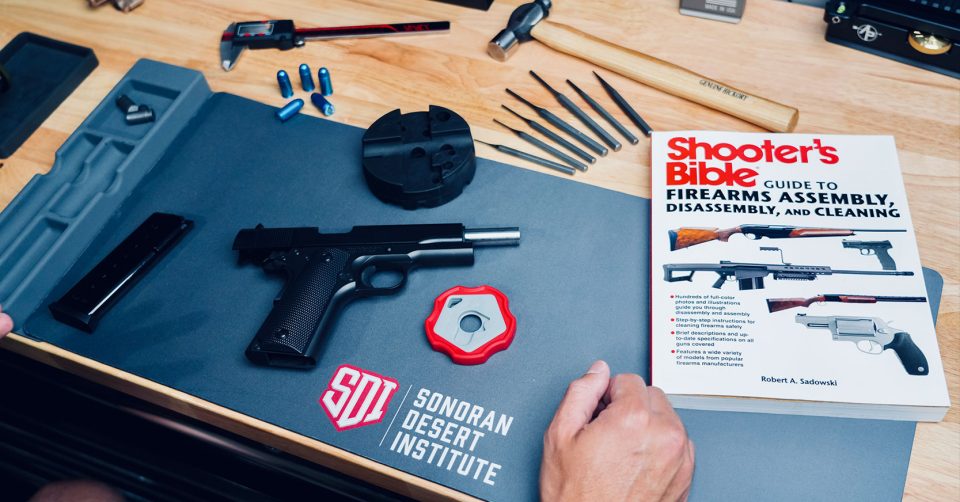
Learners exploring firearms technology often look for ways to understand how different handgun systems operate and how they compare in a structured setting. A common early question is whether Sonoran Desert Institute is worth it for learners who want focused, skills-based training rather than a broad academic path. Sonoran Desert Institute (SDI), which is accredited by the Distance Education Accrediting Commission (DEAC), provides technical education through structured online learning and hands-on assignments completed outside a traditional classroom.
This type of platform-focused study helps learners move beyond surface-level familiarity. By working with different platforms in an organized way, students gain a clearer understanding of how each system functions and how its design influences handling and maintenance routines.
A Structured Approach to Comparing Platforms
Structured platform coursework provides a consistent framework for studying different handgun systems. Each learning sequence allows learners to examine one platform at a time before comparing it with others.
This approach helps reduce confusion. Students focus on understanding the details of each system individually, then apply that knowledge when exploring differences. This step-by-step process supports a more organized learning experience. Comparing platforms within a structured format also reinforces key concepts. Learners see how similar tasks are approached across different systems, which helps highlight important distinctions. This clarity supports deeper understanding and more confident engagement with the material.
Understanding Controls Across Action Types
Controls are one of the most noticeable differences between handgun platforms. Structured coursework introduces learners to how controls function within each system and how they are used during handling and inspection.
Students examine the placement and operation of controls, observing how these elements vary between revolvers, striker-fired pistols, and hammer-fired pistols. This observation helps build awareness of how each system is designed to operate. By studying controls in a focused setting, learners develop a more consistent approach to handling. They begin to recognize how control differences influence procedures and how careful attention supports accuracy. This understanding helps create a more disciplined approach to technical tasks.
Examining Procedures Through Guided Practice
Procedures form the foundation of safe and consistent work with handgun platforms. Structured assignments guide learners through defined steps that reflect proper handling and inspection routines.
Each platform introduces its own set of procedures. Students work through these steps using assignments that reinforce correct methods. This process helps build familiarity and supports consistent performance.
Comparing procedures across platforms allows learners to see how different systems require different approaches. This comparison helps clarify why certain steps are necessary and how they relate to the design of each platform. Through guided practice, students develop a more complete understanding of procedural differences. This understanding supports better organization and helps learners approach tasks with greater confidence.
Maintenance Differences Across Platforms
Maintenance is another area where platform differences become clear. Structured coursework introduces learners to the steps involved in inspecting and maintaining each system. Students examine how components are accessed, how they are evaluated, and how routine care is performed. These tasks are presented in a sequence that helps learners understand the relationship between maintenance and system function.
By comparing maintenance routines, learners gain insight into how design influences upkeep. Some systems may require different approaches or levels of attention. Understanding these differences helps students develop a more informed perspective on technical work. This type of study supports careful observation. Learners become more attentive to details that affect performance and develop habits that support consistent maintenance practices.
Developing Observation Skills
Comparing handgun action types requires careful observation. Structured coursework encourages learners to examine each platform closely and identify differences in how systems operate.
Assignments often involve documenting observations through written notes, photos, or video submissions. This documentation helps students reflect on their work and recognize patterns across platforms.
By developing observation skills, learners become more aware of how design influences function. This awareness supports a more thoughtful approach to technical work and helps improve overall consistency.
Reinforcing Organized Learning
Organization is an important part of comparing different systems. Structured platform study helps learners keep track of what they have studied and how each platform differs from the others. Coursework follows a clear sequence, which allows students to build knowledge in a logical order. This organization reduces confusion and supports steady progress.
Organized learning also makes it easier to review material. Learners can revisit previous assignments and compare them with new work, reinforcing their understanding of key differences. This clarity supports confidence and encourages continued engagement. A structured format also helps students track their progress over time. As each concept builds on the last, learners can approach new material with stronger preparation and focus.
Connecting Comparison to Practical Understanding
Comparing handgun action types helps learners connect the study to practical understanding. By examining how systems differ, students gain insight into how technical work varies across platforms.
This connection supports more effective learning. Students can apply their knowledge in a way that reflects real tasks, helping them approach assignments with greater clarity.
People who search for Sonoran Desert Institute reviews are part of a broader comparison process for prospective learners. Rather than relying on general feedback, many evaluate structured coursework by looking at how clearly it supports the ability to compare systems and recognize differences through repeated practice. This approach reflects how technical knowledge is typically assessed, where consistent observation and structured learning provide a more reliable measure of progress.
Approach to Comparing Handgun Systems
Structured platform coursework provides a practical way to study and compare handgun action types. By focusing on controls, procedures, and maintenance differences, learners develop a clear understanding of how each system operates.
This approach emphasizes organization, repetition, and careful observation. Students engage with assignments that guide them through each step, helping them build familiarity and confidence.
Through guided study and consistent practice, platform-focused coursework helps students build a strong foundation for understanding handgun systems. This foundation supports continued learning and allows learners to approach technical tasks with greater awareness and control.
