
Across the country, kitchen tables are transforming into workspaces. Once reserved for meals, they now host home repairs, hobby builds and hands-on projects. This change highlights a push toward practicality and accessibility, revealing how resourcefulness can transform ordinary spaces into places of learning and creativity. Sonoran Desert Institute (SDI), accredited by the Distance Education Accrediting Commission (DEAC), recognizes this growing trend by offering coursework in firearms technology and uncrewed systems. Their training emphasizes job-ready skills, while showing that adaptability and resourcefulness are as important as technical knowledge. Encouraging students to practice in spaces they already have reinforces the value of creating functional environments that meet both personal and professional needs.
By meeting students where they are, it bridges the gap between traditional classrooms and real-world practice. Whether it’s a kitchen table, garage or backyard workshop, these everyday settings become extensions of learning. This approach not only makes education more accessible but also helps students build confidence by applying their skills in familiar environments.
Why the Kitchen Table Works
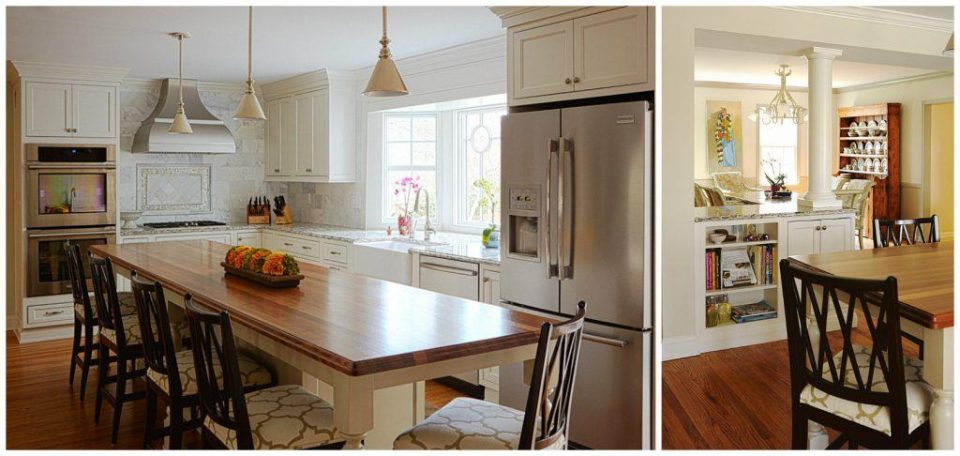
The appeal of the kitchen table is obvious. It’s wide, flat and available in most homes. When traditional workbenches or shop spaces aren’t accessible, this piece of furniture becomes a practical substitute. For many people balancing busy schedules, it offers convenience, without requiring a major investment.
The table’s location also contributes to its value. Positioned at the heart of the home, it encourages multitasking. One can manage family responsibilities, while staying engaged in personal projects. This dual use not only saves time but also encourages creativity, turning small moments into opportunities for skill development.
Making Space for Functionality
Repurposing a kitchen table into a workbench requires planning. A protective surface, such as a cutting mat or plywood sheet, preserves the table’s finish. Proper lighting is essential for precision, while storage solutions like bins or rolling carts keep tools organized, and prevent clutter from overwhelming the space. Noise and dust management are also important. Simple precautions help maintain a balance between work and home life. With these adjustments, projects can be managed successfully, without causing disruption at home.
The Value of Skills in Everyday Settings
The rise of multipurpose workspaces is tied to a broader recognition that skills matter more than settings. Employers across industries are reassessing what defines talent, focusing less on degrees and more on practical ability. Hands-on experience, whether gained at a professional facility or a kitchen table, proves that capability is not confined to formal environments.
It is where technical training providers play a crucial role. Sonoran Desert Institute equips students with applied skills that can be practiced at home or in structured workshops. Coursework in ballistics technology or uncrewed systems emphasizes function over form, showing that mastery comes from practice and discipline, not the appearance of the workspace.
Safety First
Transforming a kitchen table into a workspace requires a focus on safety. Good ventilation is essential when using chemicals or adhesives to protect everyone’s health. Safety gear, like glasses, gloves and ear protection, adds another layer of protection. Clear boundaries matter, too. Families can set simple rules about when the table is in “project mode” and when it’s back to being a shared surface. This keeps accidents at bay and allows both the project and daily routines to run without disruption.
A Boost for Creativity and Inclusion
Making do with what’s available supports creativity. For those without access to a garage, shed or formal shop, the kitchen table levels the playing field. It allows people from different backgrounds to pursue hobbies or technical learning, without needing expensive facilities. This flexibility also encourages diversity in skill development. Younger learners, career changers or those living in small spaces can still participate in technical training. By emphasizing adaptability, this approach opens doors for more people to explore interests, ranging from model building to firearm assembly or drone maintenance.
Bridging the Gap Between Learning and Doing
Educational institutions are responding to the need for practical applications. Coursework now encourages students to take what they learn in theory and test it in real time, often in improvised spaces. The result is a more direct connection between knowledge and performance. SDI embodies this philosophy by aligning instruction with real-world practice. Students are not only taught concepts but also guided in applying them, within their environments. Whether working at a dedicated bench or the kitchen table, learners are reminded that consistency and attention to detail matter most.
Building Confidence Through Small Wins
A kitchen table workbench often starts with small projects. Tightening loose cabinet hinges, assembling a kit or repairing a tool can provide immediate satisfaction. These successes build confidence and encourage learners to tackle larger, more complex tasks. Progression mirrors professional development. Just as an entry-level worker builds skills over time, so does the hobbyist or student who steadily increases the scope of their projects. The kitchen table becomes a training ground, where mistakes are part of the process, and growth happens through repetition.
The Long-Term Benefits
Repurposing everyday spaces as workbenches is an efficient way to learn and create. It lowers barriers for beginners, allowing skills to be developed quickly, and without unnecessary expense. This approach not only saves money and makes better use of space, but it also builds practical problem-solving skills. The impact on the workforce is significant. As more people gain access to hands-on training, industries benefit from a larger pool of capable talent. Job seekers who can demonstrate real skills learned in accessible environments often stand out to employers who value readiness over pedigree.
What Experts Are Saying
Hiring managers often stress the importance of demonstrable ability. They want proof that candidates can complete tasks effectively, not just that they have studied the theory. A growing number of companies report better alignment between employee performance and expectations when they hire based on skills. This clarity supports industries such as logistics, public safety and manufacturing, where errors carry real consequences. Workers who can show their proficiency, even if developed at home, reduce risk and improve outcomes.
A Practical Future
Institutions, like Sonoran Desert Institute, offering targeted technical education support this movement by reinforcing the idea that learning environments don’t have to be elaborate to be effective. By focusing on industry-relevant skills, they help students turn any available space into a productive training ground. The takeaway is simple. Capability is not limited by setting. With the right preparation and mindset, a kitchen table can become a workbench, where real skills are built. For individuals committed to learning and demonstrating their value, opportunity is never far from reach.
