
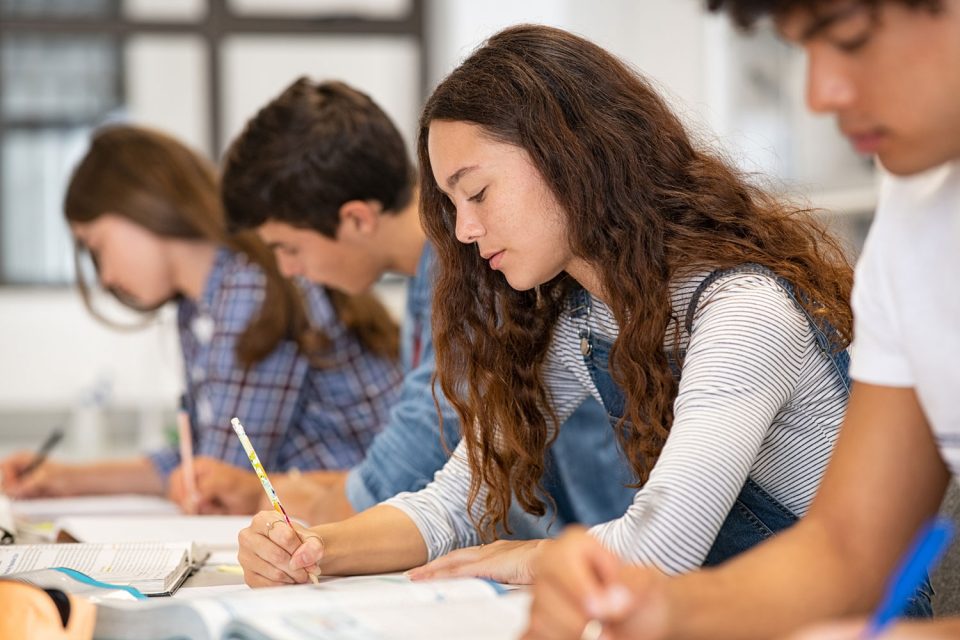
The term “student” conjures images of classrooms, textbooks, and exams, yet the identity of a student is far richer and more nuanced than these traditional associations suggest. Students today are dynamic individuals who engage with knowledge, society, and their own growth in ways that reflect both timeless aspirations and the demands of a rapidly changing world. Understanding the multifaceted nature of students—beyond their academic roles—provides valuable insight into how education systems, families, and communities can better support their development.
The Modern Student: More Than Just Learners
At first glance, a student’s primary role might seem to be absorbing information and passing tests. However, the modern student wears many hats: they are critical thinkers, innovators, social activists, and often, caretakers and workers. This complexity reflects the evolving expectations placed upon them by society.
Many students balance rigorous academic schedules with extracurricular activities, part-time jobs, and social commitments. Beyond these, they face the psychological pressures of identity formation, mental health challenges, and the pursuit of personal purpose. Recognizing these layers is essential to fostering environments where students can thrive holistically.
Academic Pressures and Mental Health
Academic achievement remains a central focus for students worldwide, yet it often comes with significant stress. The competitive nature of admissions, scholarship pursuits, and career prospects can create an environment where performance anxiety and burnout become common experiences.
Mental health concerns among students have garnered increasing attention in recent years. Anxiety, depression, and feelings of isolation affect many, often exacerbated by societal pressures to succeed and the constant connectivity of the digital age. It is therefore crucial for educational institutions to integrate mental wellness programs, provide counseling services, and promote open conversations about psychological well-being.
The Role of Technology in Shaping Student Experiences
Technology has profoundly transformed the way students learn, communicate, and interact with the world. Online platforms, digital textbooks, and virtual classrooms offer unprecedented access to information and flexible learning opportunities.
However, this digital revolution also presents challenges. Distractions from social media, information overload, and disparities in access to reliable technology can hinder the learning process. Additionally, the rise of online learning during the COVID-19 pandemic exposed gaps in engagement and highlighted the importance of interpersonal connections in education.
Students today must navigate this digital landscape with critical awareness, balancing the benefits of technology with mindful usage to foster both academic success and personal growth.
Cultivating Critical Thinking and Creativity
One of the most vital roles students play is as emerging thinkers and creators. Beyond memorizing facts, students are encouraged to question assumptions, analyze complex issues, and generate innovative solutions. This shift from passive reception to active engagement prepares them to contribute meaningfully to society.
Educational models that emphasize project-based learning, interdisciplinary studies, and collaboration nurture these skills. Encouraging students to explore diverse viewpoints and apply knowledge in real-world contexts enriches their intellectual curiosity and resilience.
Social Responsibility and Student Activism
In recent years, students have increasingly positioned themselves at the forefront of social and political movements. From climate change advocacy to calls for racial justice, student activism exemplifies their commitment to shaping a better future.
This engagement reflects a broader awareness among students of their interconnectedness with global issues and their potential to influence change. Educational institutions that support and respect this activism help cultivate empowered citizens who are not only informed but also passionate about justice and equity.
Challenges of Equity and Access
Despite progress, many students still face systemic barriers to quality education. Socioeconomic disparities, geographic isolation, and cultural factors often limit access to resources, qualified teachers, and extracurricular opportunities.
Addressing these inequities requires concerted efforts from governments, schools, and communities. Initiatives such as scholarship programs, inclusive curricula, and support for marginalized groups aim to level the playing field. Ensuring every student has the chance to succeed is fundamental to building a fair and prosperous society.
The Importance of Mentorship and Support Systems
Behind every successful student, there is often a network of mentors, teachers, family members, and peers who provide guidance, encouragement, and support. These relationships foster confidence, resilience, and motivation.
Mentorship programs, tutoring services, and peer support groups play pivotal roles in helping students navigate academic challenges and personal growth. When students feel valued and supported, they are more likely to take intellectual risks and develop a lifelong love of learning.
Preparing Students for an Uncertain Future
The future that today’s students face is marked by uncertainty and rapid transformation. Automation, climate change, shifting job markets, and evolving social norms demand adaptability and continuous learning.
Preparing students for this future means equipping them with not only knowledge but also skills such as emotional intelligence, collaboration, and ethical reasoning. Emphasizing adaptability and lifelong learning prepares students to embrace change with confidence rather than fear.
Conclusion: Honoring the Student Journey
Students are not merely recipients of education; they are active participants in their own growth and the architects of tomorrow’s world. Their journeys are complex, filled with both challenges and immense potential. By appreciating the diverse realities students face, society can create educational environments that nurture not only intellect but also character and compassion.
To truly honor students is to recognize their capacity for transformation and to invest in their holistic development—academically, emotionally, and socially. In doing so, we empower a generation poised to lead with insight, empathy, and innovation.
